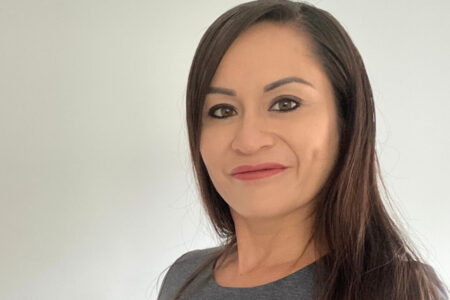
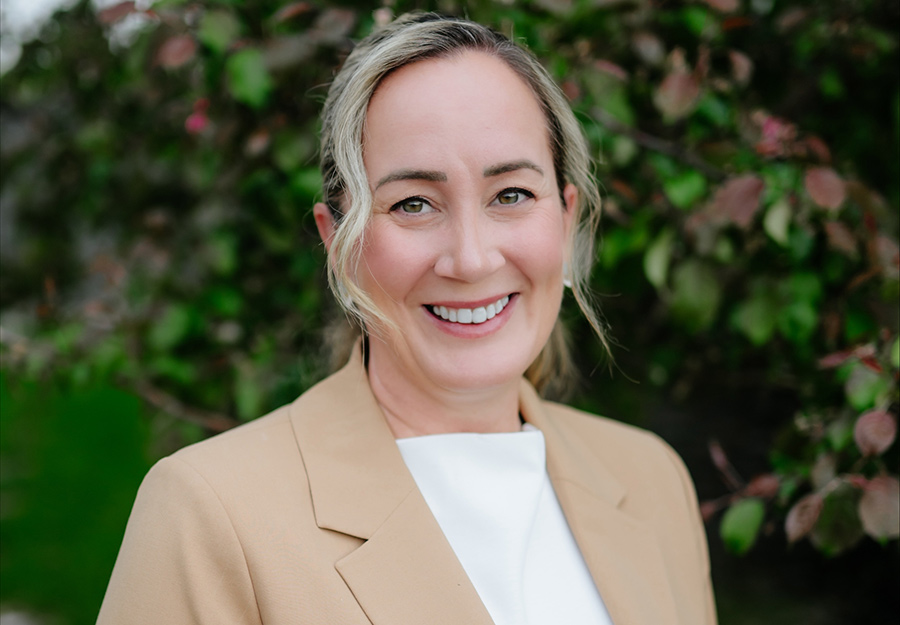
Amanda Ross didn’t come to Yorkville University looking for a career change – she came looking for growth.
.
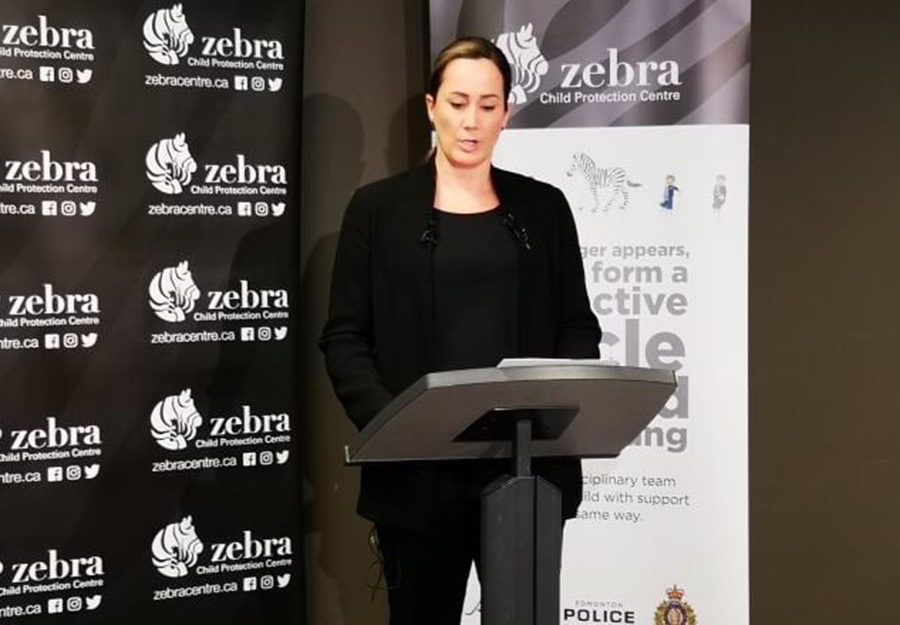
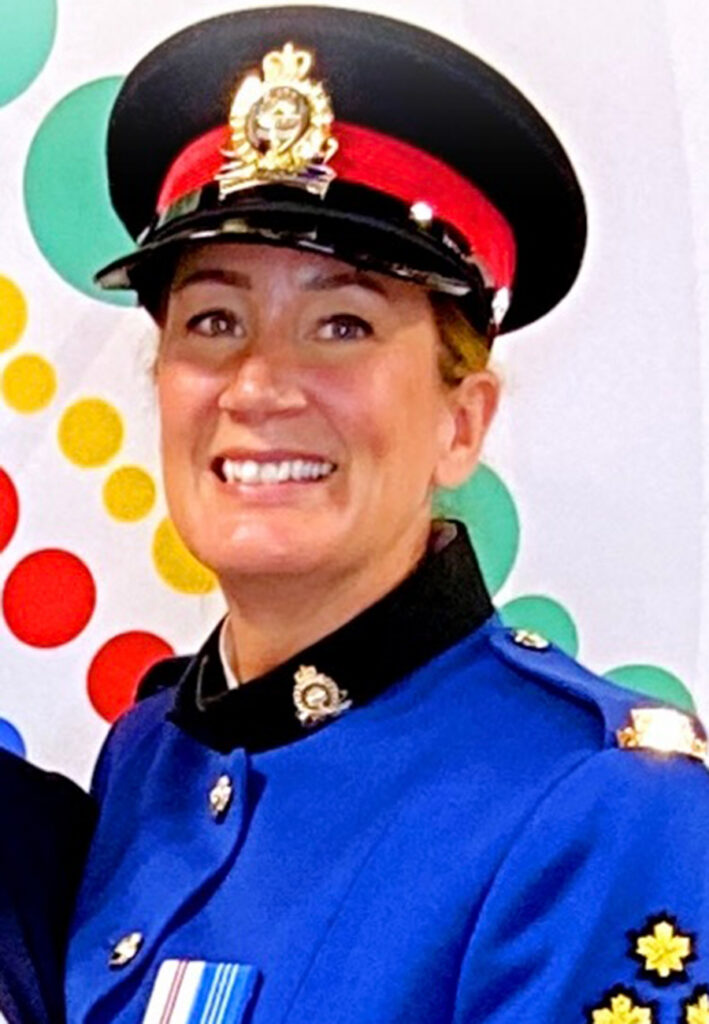
A graduate of the Master of Education in Adult Education program, Ross was selected as a Student Graduation Speaker for Yorkville’s 2026 convocation ceremonies in Fredericton, New Brunswick. By day, she supervises an investigative team with the Edmonton Police Service – a career spanning nearly two decades that she still loves. But somewhere along the way, she felt she’d hit a ceiling on her own personal development, and went looking for something that would push her further.
.
A Métis woman living and working on Treaty 6 territory, Ross brings a perspective shaped by deep roots in Northern Alberta and a lifelong connection to the land. Those roots, and a chance conversation with a fellow runner who happened to be a Yorkville graduate, set her on the path to the MEd. The program’s Indigenous Student Tuition Bursary helped make it financially viable – and what followed was, by her own account, as much a journey of personal and cultural reclamation as it was an academic one.
.
Ross recently sat down ahead of Yorkville’s Fredericton convocation ceremony to talk about her experience and what comes next. Here’s what she had to say:
.
What brought you to Yorkville University? Where were you in your life/career when you decided to continue your studies with us?
.
During Covid, like many other people, I was looking for an opportunity to explore career development and there were not a lot of in-person opportunities. I also met another Yorkville University graduate, who was part of my ladies running group, and she mentioned how much she enjoyed the Master of Education in Adult Education program that she was taking at that time. With nearly 20 years in my current career (policing), I was contemplating going back to teaching in some capacity and this would offer me the opportunity to teach at the University level, opening up many options for me to explore in my policing career, as well. I felt that I was sort of at a plateau in personal growth, and I was looking for something that would challenge me to grow as an individual.
.
What made you decide to pursue your Master of Education in Adult Education?
.
I made contact with an Admissions Advisor first. I had completed my Bachelor of Education in Elementary Studies in 2001 and had not been a formal teacher for many years, so I had a lot of questions about whether this program would meet my own needs, and whether I would also fit in with the other students who many not be from the field of policing. The Admissions Advisor was kind, attentive, and reassuring in response to all the questions I had. She also made me aware of the Indigenous Student Tuition Bursary, which provided me with a 25% reduction in my tuition costs, which was very helpful in making this opportunity financially viable for me since I didn’t qualify for any other scholarships at the time. Knowing that I would have this small but significant support to get started on this path changed my thinking completely and allowed me to envision myself being able to afford this additional education. My Admissions Advisor also explained that the thought behind having this funding available was to increase the participation of First Nations, Métis and Inuit students as a means of enriching the learning environment through the sharing of our knowledge systems and life experiences.
.
What is the most important thing you’re taking away from your studies at Yorkville University?
.
Many of the overall standout experiences I had during this program were the great professional relationships and friendships that I made. It was very reassuring to have the opportunity to learn with and from other First Nations, Métis and Inuit scholars I have met along the way. This wouldn’t have been possible without Dr. Doris MacKinnon’s Indigenous Knowledge courses and her moral support, as well.
.
It meant so much to me to know I was not alone in my own personal journey to reclaim my Métis culture, and also to be welcomed and accepted by strong allies. I made what I hope to be a lifelong connection with one of my classmates who is walking along the journey of reconciliation in her field of Educational Leadership, and it was through the sharing of parallels we discovered in our own learning and personal journeys while taking classes together that I witnessed so much growth for her, and likewise for myself. I would like to acknowledge my fellow graduate, Chantal St-Jean for playing a large role in leading the way in those classroom discussions by being vulnerable and candid in conversations we had during the weekly online posts. Those conversations led to side chats outside of school where we each shared raw, emotional moments of vulnerability. The more I got to know Chantal and her fierce commitment to advocacy and co-learning, the more I felt I needed to embrace the responsibility I have to encourage the inclusion of allies in all aspects of the work I’ve been doing in my own field of policing. Chantal, and many other students who also showed up with this vulnerability, made me value allyship more than ever and I have made a concerted effort in my work in the field of policing to encourage all of us to see ourselves reflected in others.
.
.
What are your plans after graduation, both immediate and long term?
.
I plan to continue to contribute to the development of curriculum and training for my police agency, and to teach at the post-secondary level part-time for the immediate future. I still really love my job, especially as a supervisor of a small team of hate crime investigators since it connects to many of my own personal values and feels like extremely important work to me during a time of so much geopolitical unrest.
.
I enjoy mentoring future police officers and giving back to the field of policing, so I hope to inspire other folks to join this incredibly rewarding and exciting career. I’m already so pleased with the way policing has continually evolved, but I know there are still so many opportunities out there to modernize and improve our engagement with diverse communities. I hope I have the privilege of being part of that in the years to come.
.
If you offered one piece of advice to an incoming student, what would that be?
.
Follow your heart.
.
Before I chose this program, I had been looking for a place where I would belong as a scholar for so many years. I never really had the confidence to “go for it” until a few people encouraged me, and as I now realize, until I was really ready for the commitment that completing a Master of Education while working full-time is. Everything comes at the right time, as an Elder once shared with me. Completing a Masters in your late 40s is no small feat, but I also recognize that my professional experience, wisdom and life experience were so beneficial. I’m really proud of myself, and all of us that we made it happen!