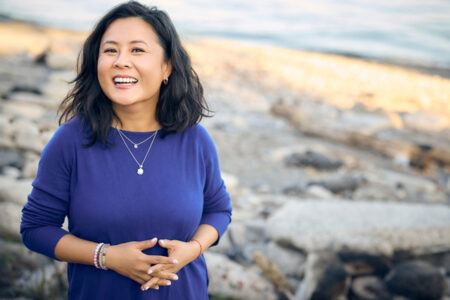
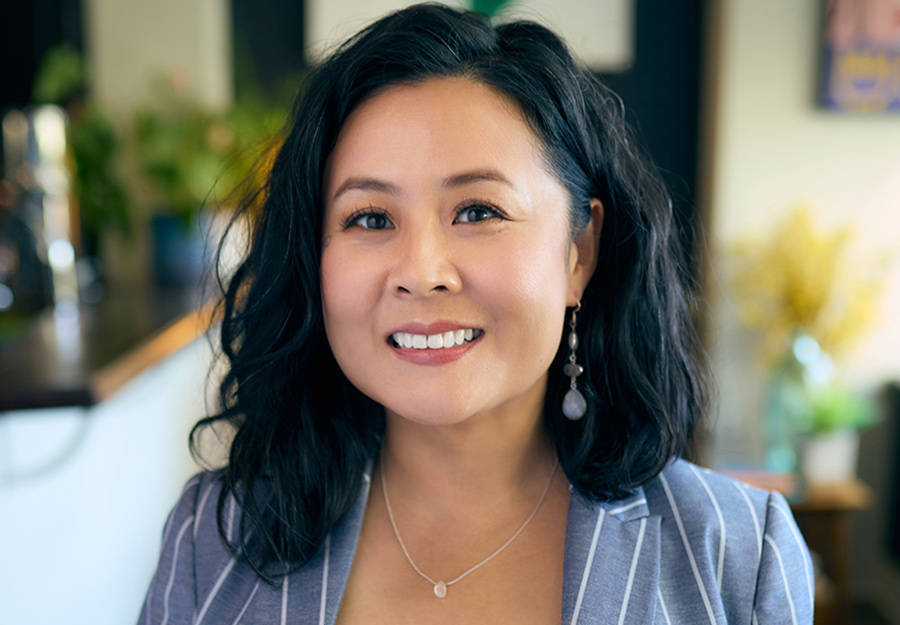
For 25 years, Yollanda Zhang lived with bipolar disorder largely in silence – shaped by a cultural upbringing in which the diagnosis felt like, as she put it, “a huge blemish that you don’t share.”
.
That silence has now given way to something much larger: a newly released short documentary, a book in the works, an award-winning essay, and a story she is now telling as openly as she can, in the hope that it helps others do the same.
.
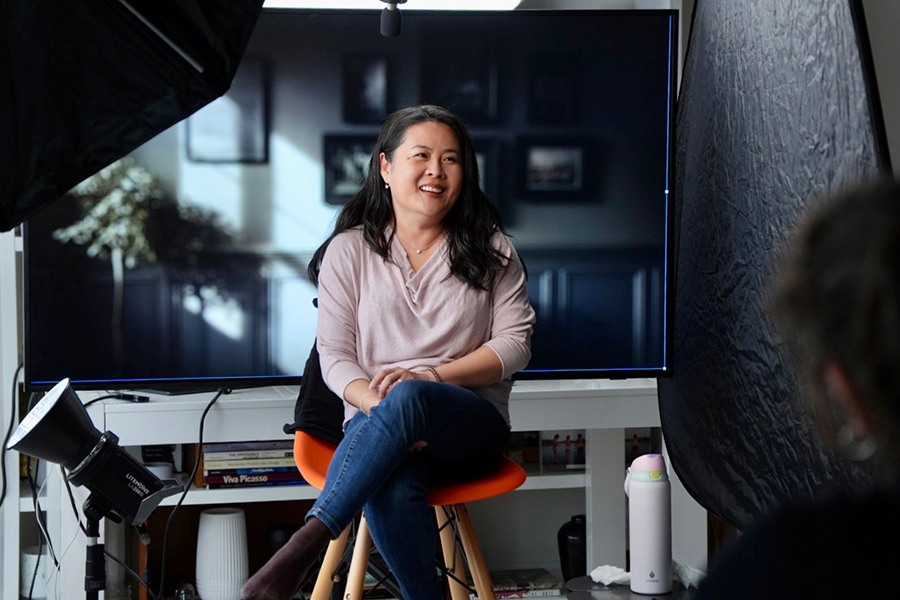
At the centre of that journey is Out of Darkness, Sunnybrook Health Sciences Centre‘s documentary series exploring the lived experience of bipolar disorder. Zhang, who is currently completing her Master of Arts in Counselling Psychology (MACP) at Yorkville University, is one of its newest featured voices.
.
.
Watch Zhang’s Out of Darkness video HERE.
.
The six-minute piece draws from over 20 hours of filming to trace an arc that spans her onset of severe depressive symptoms at 20, the cultural shame that surrounded her diagnosis as a Chinese-Canadian woman, experimenting with 33 different medication combinations, a manic episode with psychosis during pregnancy that landed her in a locked psychiatric ward, and the long, non-linear road toward healing that followed.
.
She had been approached about the Out of Darkness project eight years ago and said no at the time – her daughter was too young, her businesses too exposed, and the story not yet fully hers to tell. By the time the documentary team came back to her earlier this year, her daughter was nearly 14, old enough to understand and give her consent. So, this time, the answer was a resounding ‘yes.’
.
“The healing really began when I was willing to share openly regardless of what the perception might be,” Zhang said in the documentary.
.
That healing didn’t simply change how Zhang spoke about bipolar disorder. It also changed the direction of her career.
.
Coming Back to her Dream Career
.
Zhang is, among other things, an engineer, a former high school teacher, a keynote speaker, a non-profit founder, and now – very nearly – a registered psychotherapist. She is currently completing the final weeks of her MACP practicum, with just two assignments and 15 client hours standing between her and the finish line.
.
Her path to becoming a therapist was anything but straight.
.
Growing up in a household shaped by values of resilience and endurance, Zhang said becoming a therapist had been a dream since she was a teenager. But her aptitude for math and physics steered her toward engineering instead, while psychology remained on the sidelines as a minor she came within two credits of completing.
.
As her own healing deepened through decades of lived experience, professional reinvention, and hard-won recovery, Zhang felt the pull back to the career she’d dreamed of since high school.
.
Before enrolling at Yorkville, she completed Dr. Gabor Maté‘s Compassionate Inquiry training – a year-long professional program for therapists. Her classmates there, most of them already practising clinicians, told her she should become one, too. That affirmation, combined with her own healing journey, pointed her toward the MACP program.
.
She chose Yorkville deliberately. Living with bipolar disorder means living with unpredictability – the possibility of a depressive or manic episode at any time. A rigid, inflexible program structure wasn’t something she could risk, she said.
.
“I knew that with living with bipolar disorder, having this unpredictability of when these episodes might come on, I didn’t want to take 10 years to get my master’s degree,” she explained, noting that the flexibility Yorkville offered – including the ability to take a semester off to finish her book – made all the difference.
.
“Looking back, I really do feel so glad that I made this decision.”
.
A Work of the YU Village
.
While completing her MACP degree, Zhang was also writing a book.
.
Dear Younger Me, forthcoming from Dundurn Press in May 2027, is structured as a constellation of letters – letters to her younger selves at different life stages, letters to her daughter, and finally, an introduction to the therapeutic framework that emerged from her own healing: the Dear Younger Me™ Practice. Rooted in narrative therapy, compassion-focused therapy, and Internal Family Systems, the practice invites readers to offer compassion to their younger selves, then reach forward in time to access the wisdom of a future self who has already survived the storm they’re in now.
.
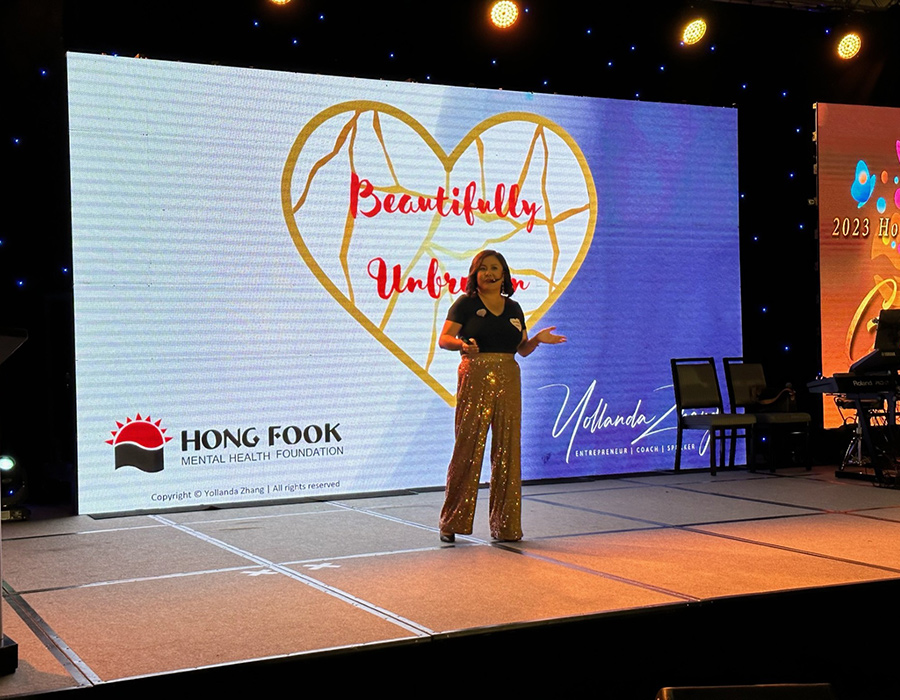
The Kintsugi metaphor – the Japanese art of mending broken pottery with gold, illuminating the cracks rather than hiding them – runs through the book as a central thread. For Zhang, the metaphor is far more than decorative. It captures the transformation she has experienced through her own healing journey.
.
“This book is my Kintsugi,” she wrote in the introduction to Dear Younger Me.
.
Even before its publication, the ideas at the heart of the book have begun resonating beyond its pages.
.
Zhang’s essay, Beautifully Unbroken: What Kintsugi Taught Me About Healing, published in bpHope – an award-winning online community and publication dedicated to bipolar disorder awareness – recently won a Gold Award from the Digital Health Awards, one of the largest consumer health recognition programs in the United States.
.
Although Dear Younger Me is deeply personal, Zhang says it was also very much a product of the Yorkville community that surrounded her throughout the writing process.
.
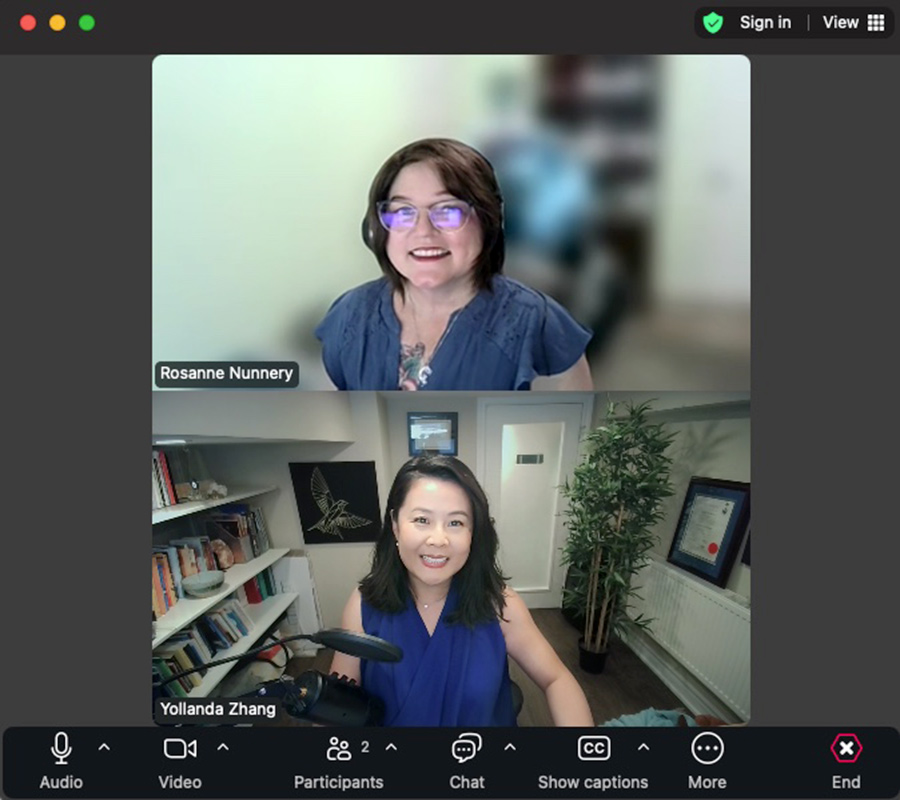
Dr. Rosanne Nunnery, who taught Zhang in the MACP program’s Cultural Diversity in Counselling course, became one of the book’s biggest champions. She read the very first draft, offered feedback throughout the writing process, regularly checked in to see how the writing was progressing, and ultimately contributed both a foreword and an endorsement. She also appears in one of the video interviews embedded throughout the book via QR codes – an innovation Zhang championed with her publisher.
.
“I never thought that in a virtual program I would have such a strong connection to faculty,” Zhang said of Dr. Nunnery, adding that the two are now co-authoring a project together.
.
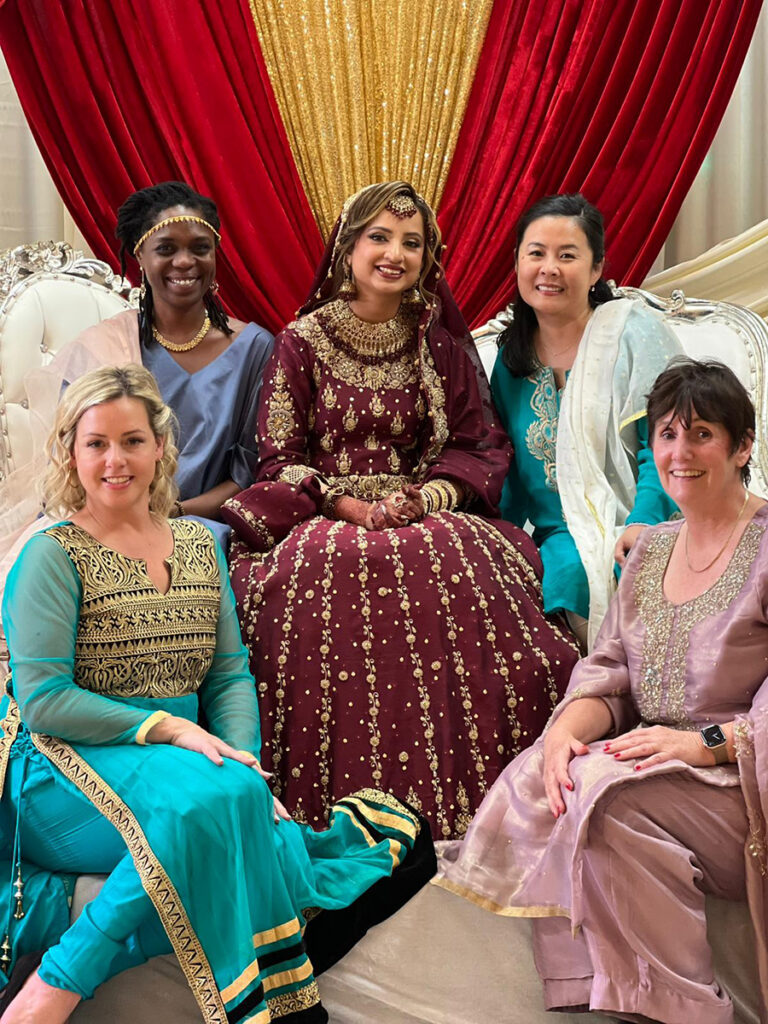
Faculty weren’t the only members of Zhang’s Yorkville community to shape the book. Fellow MACP classmates also appear throughout its pages, while several also served as early readers, offering both emotional support and thoughtful feedback as the manuscript evolved.
.
“It really took a village,” she said. “And because of the way the book is meant to be a healing tool for people to read, it was so helpful to have my Yorkville village to lean on.”
.
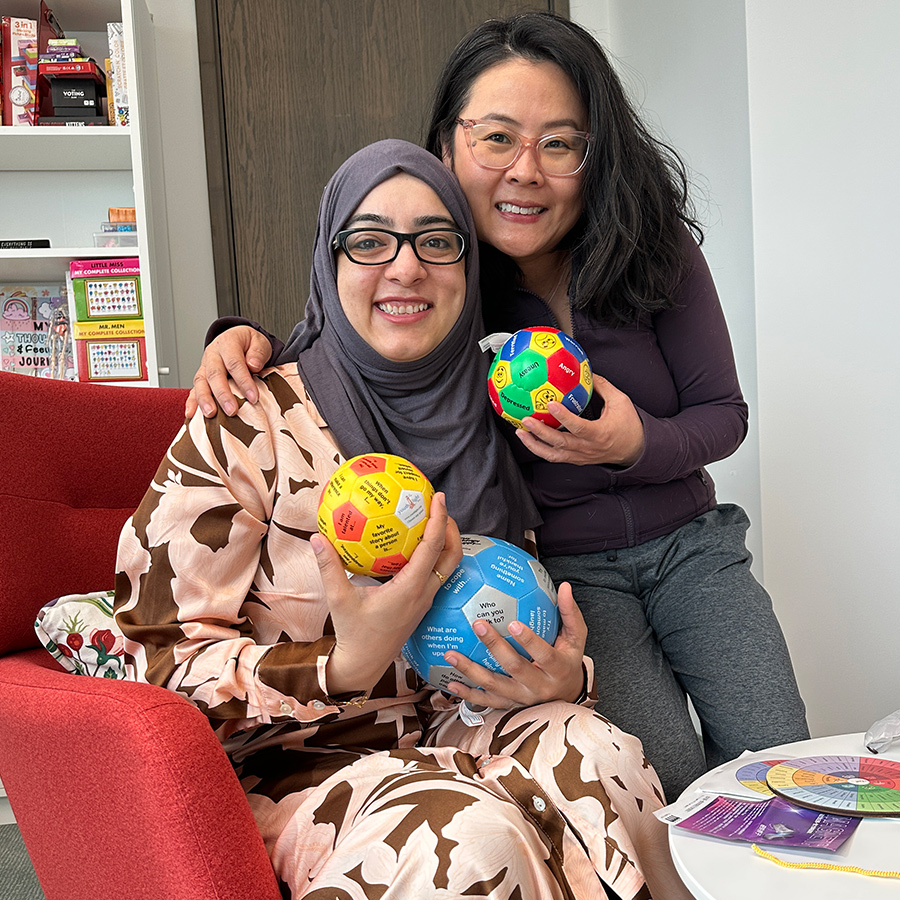
That same Yorkville network has shaped her clinical career. She is currently completing her practicum placement at Batool Psychotherapy & Wellness – the clinic of fellow MACP graduate Maimoona Batool – a connection that began when Zhang delivered the keynote at Maimoona’s clinic grand opening.
.
Upon completing her MACP degree, Zhang plans to follow in Batool’s footsteps and open her own private practice, Yollanda Zhang Psychotherapy.
.
“I Think It’s Hope”
.
If the Out of Darkness documentary tells the story of where she’s been, and the Dear Younger Me book reflects what she’s learned, Zhang said she hopes both ultimately leave people with the same message.
.
“If I were to say one word, it would be hope,” she said. “And if I were to add another word, it would be possibilities. Because I think often in life when you’re struggling, you can’t really see the hope or the possibilities of better days.”
.
She credits one of her early readers with confirming that she’d accomplished what she set out to do when she first began writing the book. That reader, a woman living with bipolar disorder, told Zhang that reading Dear Younger Me made her proud to live with her diagnosis. “I always thought this was a curse,” the reader said, “but reading your book changed my mind.”
.
“When I heard her say that, I was like, okay, then this is done,” Zhang said. “I have completed my purpose, my mission.”
.

Beyond the Counselling Room
.
That desire to help others extends beyond Zhang’s counselling work and into Girl. Strong., the non-profit she founded to empower girls aged 6 to 18 to build life skills, mindset, and body confidence. During her MACP program, the organization received a major grant and partnership with Plan International, through which she and her team taught over 2,000 kids across Ontario.
.
Watch a video about Girl. Strong. HERE!
.
As she crosses the finish line on her degree, Zhang is already encountering an unexpected challenge: she has more prospective clients than she can fit into her schedule. Many are people of colour – particularly women and parents – working through burnout, perfectionism, intergenerational trauma, and the desire to parent differently than they were parented.
.
They’re also the very people, she said, who tend to recognize themselves in the pages of Dear Younger Me.
.
For Zhang, it’s another reminder that the experiences she once carried in silence are now helping others navigate their own struggles.
.
Looking Back, Moving Forward
.
Zhang also reflects on what it means to have arrived at the place she is now, after years of depressive episodes, of telling herself she couldn’t go on, of her village rallying around her every time she thought she wanted to quit.
.
“I have been on disability leave for many years because of my condition,” she said, “and now being able to see the possibility that I can create financial security, financial freedom for myself – I think is what I am most grateful for.”
.
Perhaps no one has witnessed that journey more closely than her daughter, who told Zhang she was proud of her after the two watched the documentary together. It’s a reminder, Zhang hopes, that a life with bipolar disorder is not a life foreclosed – that healing is possible, even if imperfect, even if ongoing.
.
After 25 years of carrying her diagnosis largely in silence, Zhang now hopes that by sharing it openly – in a documentary, in a book, in the counselling room, and with future clients – someone else might find hope a little sooner than she did.
.
“I really took a very scenic route to get to where I had always wanted to be,” she said. “But now I’m here.”
.
To learn more about Zhang, visit her website, Psychology Today page, LinkedIn profile and/or Instagram page.