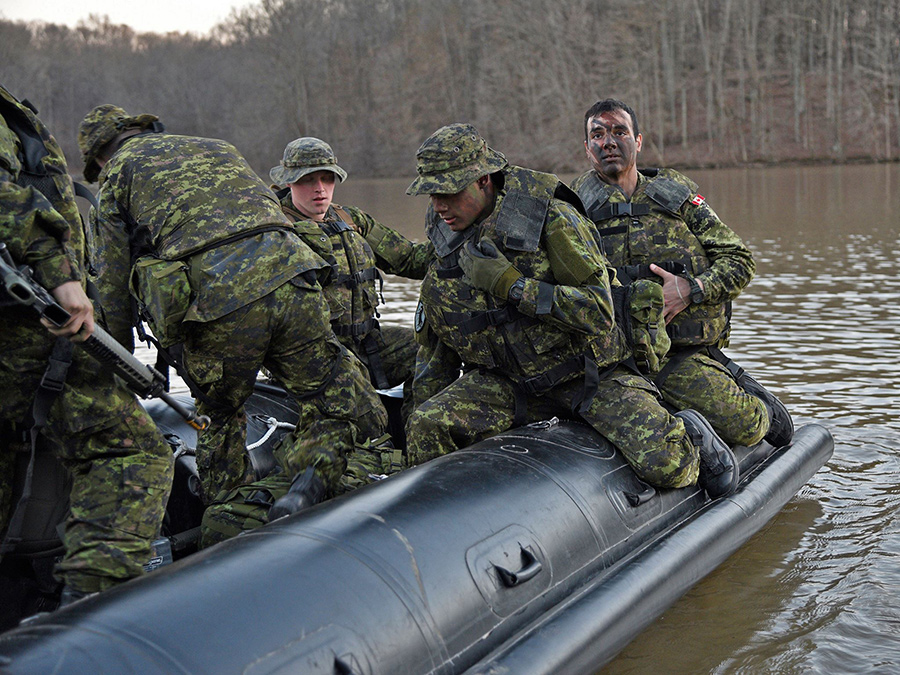
When Hakim Ouzzif joined the Canadian Armed Forces Reserves at just 16, he was looking for stability, adventure and a chance to experience something beyond his everyday life.
.
After nearly 20 years of service – including an eight-month deployment to Afghanistan – he retired as a Captain in June 2022. Adjusting to civilian life helped point the Sarnia, Ontario, resident toward a new calling: counselling.
.
Now pursuing his Master of Arts in Counselling Psychology (MACP) at Yorkville University, Ouzzif is drawing on his military service and his own experiences seeking support as he works toward helping others navigate their mental health challenges.
.
For him, the transition represents more than a change in profession. It’s a chance to keep doing what has always mattered to him: serving others.
.
A Career That Started at 16
.
For Ouzzif, joining the Reserves as a teenager meant adjusting quickly to a new environment.
.
“It’s a massive culture shock when you’re a 16-year-old, right? One day, you’re messing around, then everything gets serious all of a sudden and you have to be a professional,” Ouzzif recalled.
.
The Reserves also provided a young Ouzzif with financial stability as he continued his education after high school, letting him work part-time during the school year and serve full-time in the summers.
.
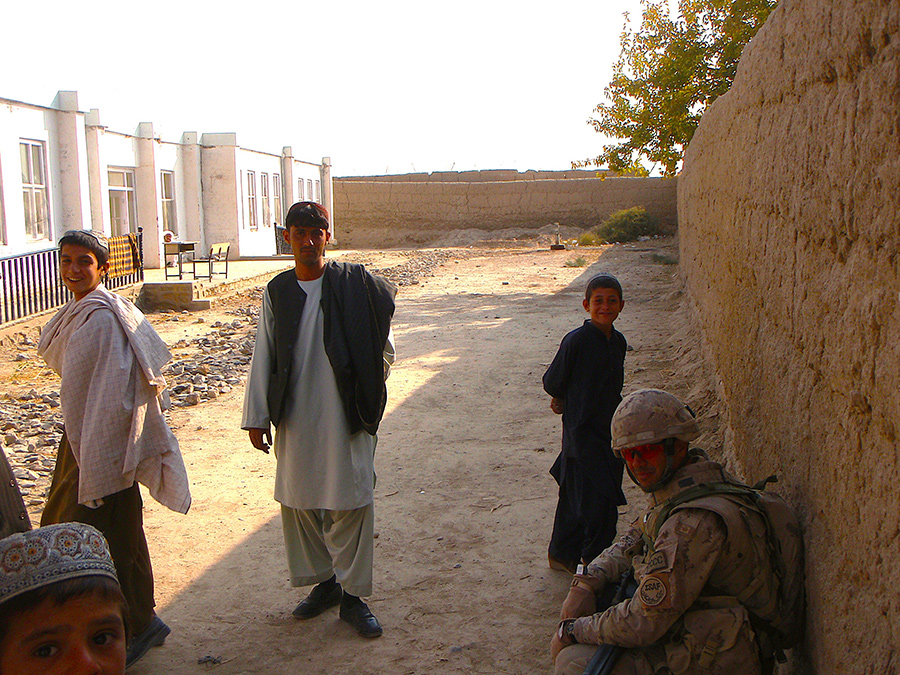
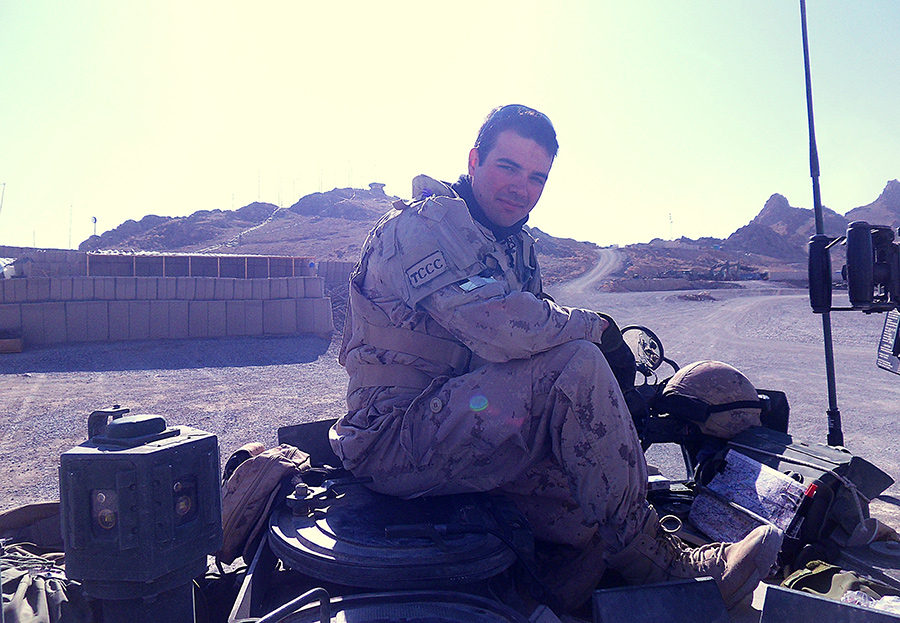
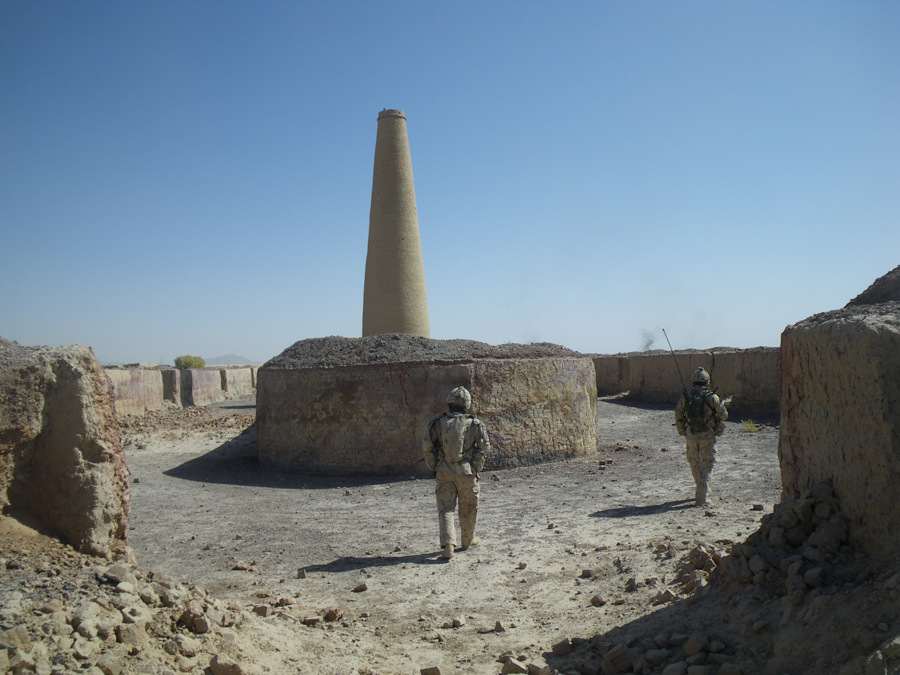
In 2010, at age 24, he deployed to Afghanistan for eight months. His role as an Armoured Reconnaissance soldier involved gathering information and conducting surveillance in an active conflict zone.
.
At the time, he was focused on the mission and his career. It was only after leaving the military that he began to recognize the impact Afghanistan had on his mental health.
.
“In an environment where you have to be strong and project strength all the time because you’re focused on the mission, you kind of end up sacrificing your own well-being for the purpose of what you’re doing,” he said.
.
Finding a New Direction
.
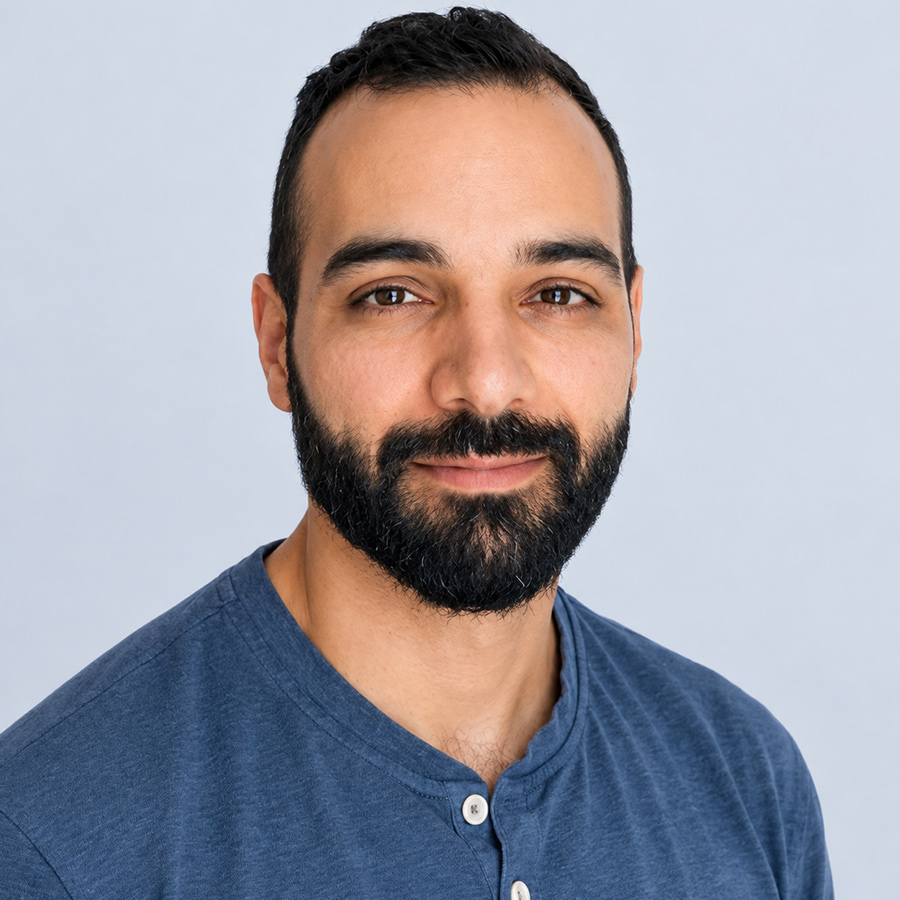
Ouzzif balanced his Reserve service with a degree in History and French, followed by teacher’s college at Western University. He then spent about a decade as a French immersion elementary school teacher while continuing to serve part-time.
.
Leaving the military brought its own challenges: “When you leave, that whole part of your life is gone – including the social part. It’s a social environment that you’re no longer a part of, so the integration into civilian life is challenging.”
.
He initially thought firefighting would be his next step, but it was his interactions with therapists, more than his training at the Ontario Fire Academy, that left the biggest mark.
.
“I was inspired by the people I worked with, the therapists I worked with,” Ouzzif said of his switch to mental health.
.
Learning to Prioritize Well-Being
.
Although counselling is very different from military service, Ouzzif sees many of his skills as transferable – both require the ability to assess situations, recognize problems and adapt when circumstances change.
.
“You can plan for something and then the situation changes completely, where you have to make a new plan right on the spot,” he said, noting that each client brings different circumstances and needs.
.
He also knows firsthand how hard it is to prioritize personal well-being: “In the military, we don’t really learn how to take care of ourselves. It’s like, take care of the mission essentials, take care of the equipment, while taking care of yourself is kind of the last priority.”
.
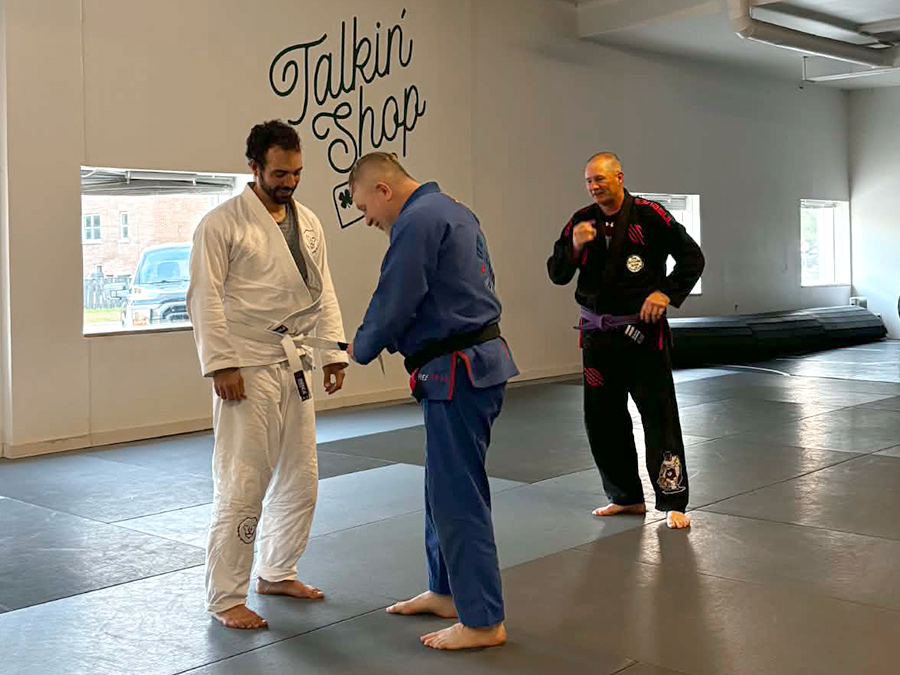
Since leaving the military, Ouzzif has worked to establish healthier routines for himself, including exercise and Brazilian jiu-jitsu, while building a social circle outside his former profession.
.
“It’s important to give yourself permission to take care of yourself,” he said. “Maybe that’s one thing I can share with my clients – just having that personal experience myself, where it’s very unusual to actually take care of yourself. It feels like you’re doing something selfish.”
.
He hopes to carry that perspective into his counselling practicum at Alli Therapy, where he works with clients virtually. Although he is still developing as a practitioner, he hopes to eventually focus on veterans and first responders – communities whose experiences he understands.
.
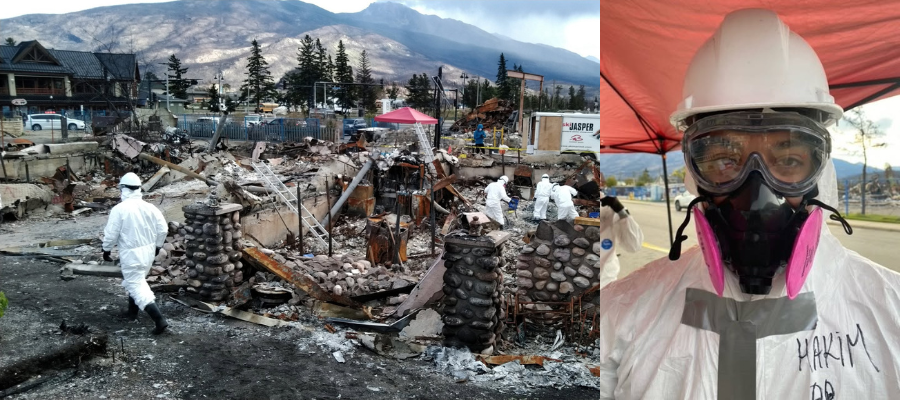
Alongside his studies, Ouzzif also volunteers as a municipal crisis responder, helping people affected by car accidents, house fires and intimate partner violence connect with resources. He has also supported disaster recovery through Team Rubicon Canada, a veteran-led disaster response organization, including after the Jasper wildfires.
.
These roles let him support people in difficult moments while he continues to learn.
.
Finding His Place at Yorkville
.
When Ouzzif first considered counselling, he wondered whether he had the right background for a master’s degree in the field.
.
“I have zero psych background, so I wondered ‘Am I crazy for doing this?’” he said, recalling his experience applying for the Yorkville’s Master of Arts in Counselling Psychology.
.
Yorkville’s flexible online format made it possible for Ouzzif to study while managing his other commitments, and the Canadian Armed Forces Bursary made it financially accessible. The bursary offers 25 per cent off tuition in all programs to anyone currently serving or who has served for more than two years.
.
“The 25 per cent bursary, that made it all possible for me,” he said.
.
Beyond the practical support offered by Yorkville, Ouzzif has also valued learning alongside classmates from a wide range of professional and cultural backgrounds, whose willingness to share personal experiences has challenged some of the expectations he carried over from the military.
.
“There’s so much courage in these spaces, where people are vulnerable enough to share some of themselves. From the environment I come from, military stuff, we don’t talk, we don’t have feelings. So, for me, it’s been just like, ‘Why is everyone so honest?’”
.
That openness has been an important part of learning what counselling asks of a practitioner – and a reminder that people from many backgrounds can find their way into the profession.
.
Remembering and Moving Forward
.
Remembrance Day remains a personal occasion for Ouzzif, offering time to reflect on his own experiences and remember those who did not return home.
.
He describes himself as a “closet veteran.” Although he does not typically wear his medals in public, he continues to attend commemorative events as a spectator. As a teacher, he also gave school presentations about Afghanistan, sharing the stories of those who served and those who died.
.
At one school in Wallaceburg, Ouzzif helped students learn about a former student who had been killed in the war. Sharing these stories, he said, is one way to help younger generations understand the human costs of conflict. He hopes Canadians of all ages will develop a fuller understanding of the Afghanistan mission and a deeper appreciation for the peace they live in.
.
“I think it’s a great opportunity to appreciate the peace and stability that they have,” he said of his school presentations.
.
As he prepares for his career in counselling, Ouzzif is bringing his military service into work that asks people to acknowledge vulnerability rather than conceal it.
.
For anyone struggling to seek support, his message is shaped by both personal experience and counselling training.
.
“Asking for help is hard, but recovery is possible,” he said. “It’s probably the hardest thing you can do.”