September 30 marks the National Day for Truth and Reconciliation – a day to honour First Nations, Inuit and Métis children who never returned home from residential schools, the Survivors who did, and the families and communities who carry that history forward.
.
This is a day for reflection, but more than that, it’s a day for listening. At Yorkville University, we’re committed to learning from the Indigenous voices in our community, and to carrying that learning with us well beyond this one day.
.
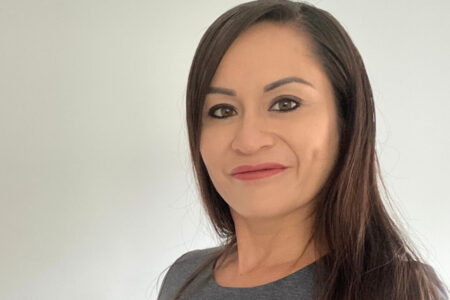
To that end, we invited members of our Indigenous Students Advisory Council (ISAC) to share a little about themselves and their reflections on truth and reconciliation, and what this day means to them. We’re grateful to them for the generosity and honesty in their answers.
.
Here’s what they had to say:
.
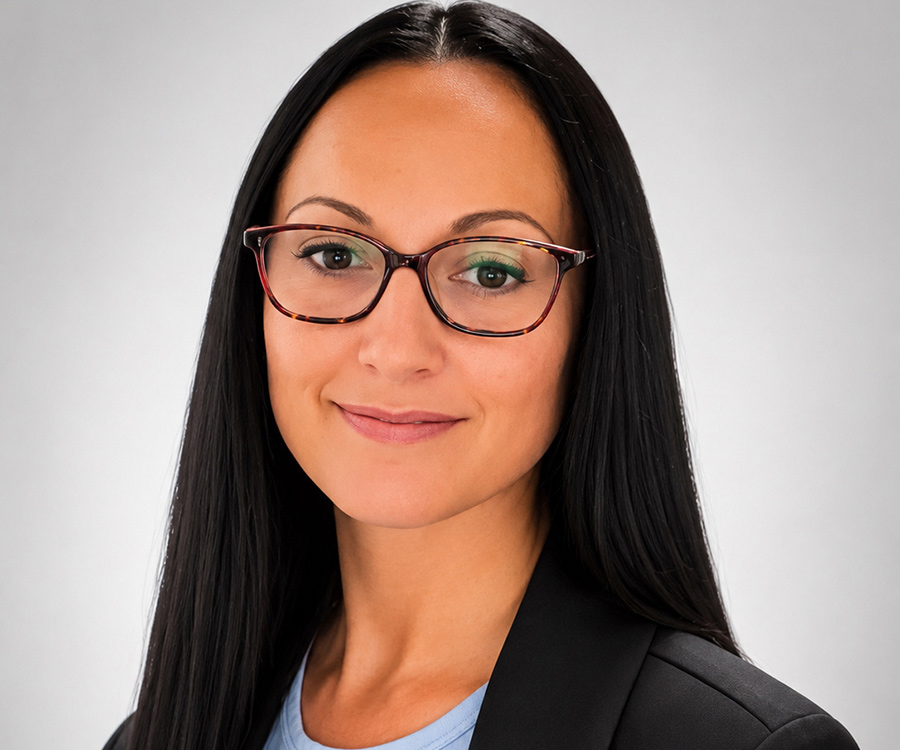
Tina Adams
Master of Arts in Counselling Psychology (MACP)
.
What does the National Day for Truth and Reconciliation mean to you personally?
.
For me, the National Day for Truth and Reconciliation represents acknowledgment, specifically, acknowledging the individual stories of Indigenous children and youth who suffered in residential schools. My grandmother was a survivor, and I did not find out until I was an adult as it was never spoken about.
.
After eighteen years as an educator in both public and private school settings, I have witnessed a meaningful shift in how school communities engage with the learning this day calls for. One example is Orange Shirt Day, which is officially recognized on September 30th but is now often recognized on a different weekday by schools and organizations that are closed for the national holiday, so that staff and students do not miss out on participation.
.
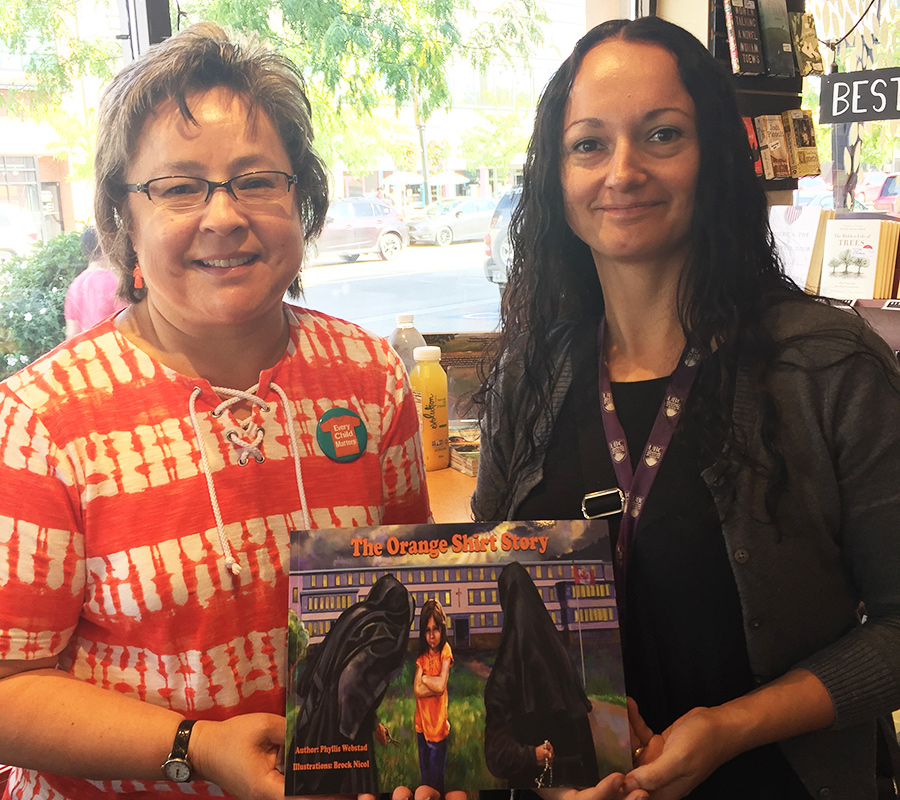
Many people may not know where Orange Shirt Day began, and I feel compelled to share both the story and my personal connection to it. On September 8th, 2018, at the Mosaic bookstore in Kelowna, BC, I had the honour of meeting Phyllis Webstad, author of Phyllis’ Orange Shirt. I purchased five copies, one for my mom, my sister, two principals I deeply respect, and one for myself. Phyllis generously signed each book and briefly shared how the orange shirt her grandmother gave her was taken away when she arrived at a residential school. Meeting her in person and hearing her story moved me in a way I had never experienced. Moments like that remind me why stories matter, and why the National Day for Truth and Reconciliation holds such significance for me.
.
What role do you think universities should play in truth and reconciliation?
.
As a graduate student at Yorkville University, I have observed meaningful efforts to engage and support Indigenous learners. Yorkville’s commitment is evident through the Indigenous Students Advisory Council, which amplifies the voices and experiences of Indigenous students within the academic community.
.
The university also invites Indigenous leaders from across regions to share their knowledge through cultural programming, offered in both online and in‑person formats to ensure accessibility and inclusion. Perhaps most notably, Yorkville honours Indigenous learners during the graduation ceremony in ways that are individualized and culturally meaningful, recognizing each graduate’s accomplishments with intention and respect.
.
Collectively, these initiatives reflect Yorkville’s commitment to Reconciliation in action and is a great model for other universities to follow.
.
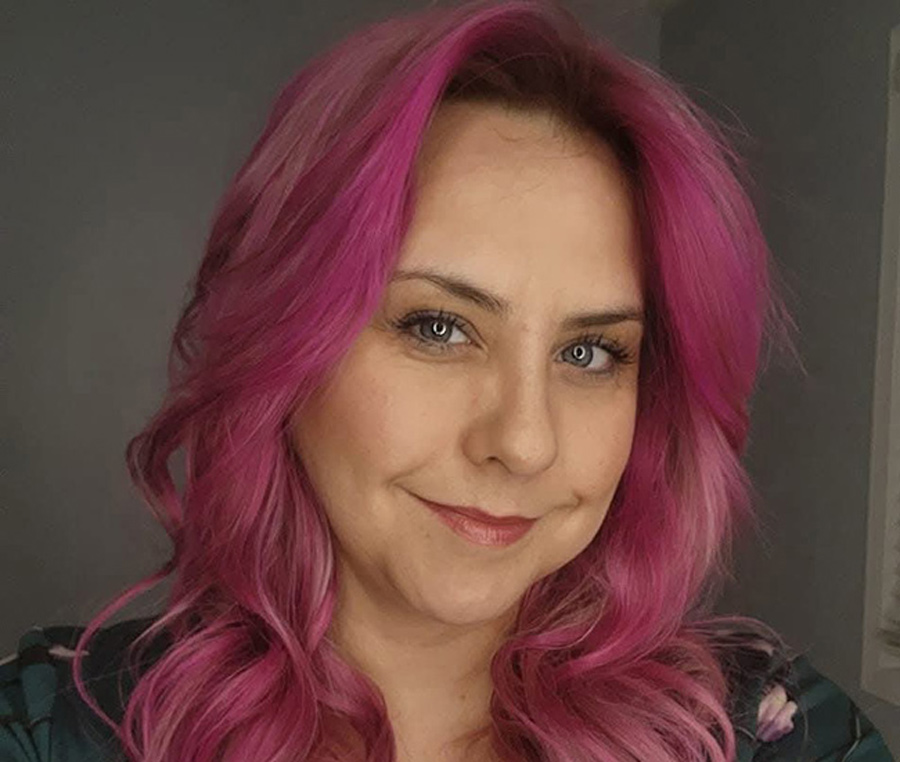
Natasha Grant
Master of Arts in Counselling Psychology (MACP)
.
What does the National Day for Truth and Reconciliation mean to you personally?
.
As an Anishinaabe student, the National Day for Truth and Reconciliation is a day to honour and remember the Indigenous children who suffered and died within the residential school system, as well as the survivors, families, and communities who continue to live with impact of colonization, culture loss, and pain today. Orange Shirt Day has come to symbolize the truth of what happened and the importance of ensuring those children are never forgotten.
.
At the same time, I see this day as a call to accountability. The work of reconciliation is not finished. I often reflect on the fact that Canada initially opposed the United Nations Declaration on the Rights of Indigenous Peoples (UNDRIP), which the Truth and Reconciliation Commission of Canada later identified as the framework for reconciliation. Reconciliation requires more than remembering the past. It requires action in the present and a commitment to building a different future.
.
What do you wish non-Indigenous students better understood about this day?
.
I wish more people understood that this day is not simply about learning a piece of Canadian history. It is about recognizing that the legacy of residential schools continues to affect Indigenous families and communities today.
.
I also wish more people knew about the 94 Calls to Action from the Truth and Reconciliation Commission of Canada. Many Canadians know they exist, but few could name one or explain how they apply to their own lives. Reconciliation is not only a responsibility for governments. The Calls to Action challenge educators, healthcare professionals, journalists, businesses, universities, and ordinary citizens to take part in this work. My hope is that people move beyond awareness and begin asking themselves what role they can play in meaningful change.
.
If you could leave readers with one message this National Day for Truth and Reconciliation, what would it be?
.
My message would be this: let September 30 be the beginning of your engagement, not the end of it.
.
Wear an orange shirt. Attend an event. Learn the history. But don’t stop there. Read the 94 Calls to Action. Learn about treaties. Learn about the United Nations Declaration on the Rights of Indigenous Peoples (UNDRIP) and the principle of Free, Prior and Informed Consent. The Truth and Reconciliation Commission of Canada identified UNDRIP as the framework for reconciliation, yet many of its principles continue to be debated and tested in practice today.
,
As discussions continue around pipelines, resource extraction, and environmental stewardship, I often reflect on whether Indigenous communities are truly being included as full partners in decisions that affect their lands and futures. To me, reconciliation means respecting Indigenous rights not only in our words, but in our actions. It means being accountable for the decisions being made today, not just acknowledging the harms of the past. Ask yourself what reconciliation looks like in your profession, your community, and your daily life?
.
Reconciliation cannot be accomplished in a single day each year. It is a practice. Imagine if every Canadian committed to one Call to Action and took one concrete step toward it. The impact would be transformative.
.
The children we honour on September 30 deserve more than remembrance alone. They deserve a country willing to act on the truth.
.
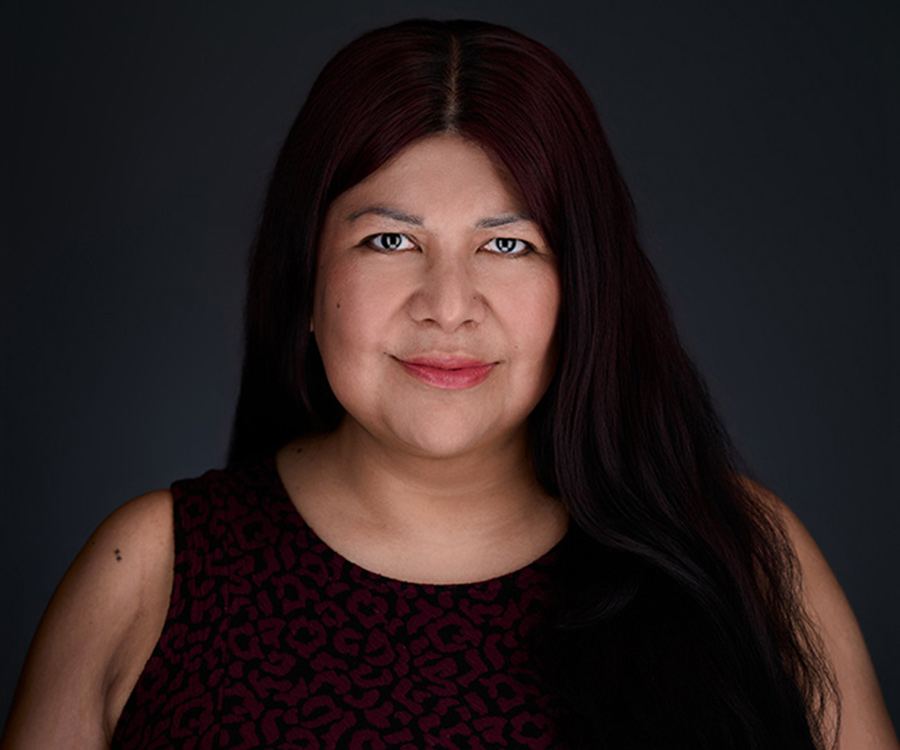
Alice Maracle
Master of Business Administration (MBA)
.
What does the National Day for Truth and Reconciliation mean to you personally?
.
For me, the National Day for Truth and Reconciliation is about acknowledging the past honestly so that healing and meaningful change can happen. We owe Survivors the respect of listening to them, learning from their experiences, and recognizing that their truths are part of Canada’s history.
.
I also think about my own family. My parents always encouraged my sisters and me to pursue education because they saw it as a form of empowerment and opportunity. That has stayed with me throughout my own academic journey. I completed my bachelor’s degree and am now pursuing my MBA, and I will be the first person in my family to earn a master’s degree. For me, that achievement is personal, but it also reflects what education can represent when Indigenous students are supported in pursuing it on their own terms.
.
What role do you think universities should play in truth and reconciliation?
.
Universities have an important responsibility as educational institutions. They should create space and time for Survivors to share their truths, acknowledge the intergenerational harm caused by residential schools, and ensure those histories are understood.
.
They also have a responsibility to look at how Indigenous students experience post-secondary education today. Reconciliation should include creating environments where Indigenous students feel supported, respected, and safe while pursuing their education. That means listening to Indigenous students and communities, reflecting that learning in institutional practices, and continuing to improve the supports and spaces available to Indigenous learners.
.
What gives you hope when you think about the future of reconciliation?
.
What gives me hope is seeing more Indigenous people pursuing education and entering spaces where decisions are made. Education can be a powerful form of empowerment when Indigenous students are able to pursue it in environments that recognize their identities, experiences, and communities.
.
I also find hope in the willingness to have more honest conversations about the past. Reconciliation cannot happen without truth. When Survivors are given the respect of being heard, and when institutions and individuals are willing to listen and learn from those truths, it creates the possibility for meaningful change for future generations.